Best Home Grain Rollers Under £150 UK: Budget Picks Reviewed
Home grain rollers have become essential kit for anyone serious about brewing, hobby farming, or small-scale animal feed preparation. They crush grain quickly and consistently, saving hours of hand labour while delivering better results than a hammer and sack. But grain rollers aren't cheap—or at least, that's what most retailers would have you believe. The good news: under £150, you can find solid options that won't compromise quality for price.
What to look for in a budget grain roller
Before diving into specific picks, it's worth understanding what actually matters. A grain roller's job is simple: crush malt (or other grains) to expose starch without pulverising the husk. Too coarse and your brew stalls; too fine and you'll pull tannins and create a gummy mess.
In the sub-£150 bracket, you're choosing between two main types: motorised two-roller mills and hand-crank models. Motorised versions save time and effort—essential if you're processing large batches weekly. Hand-crank rollers are cheaper, quieter, and fine if you brew occasionally or work in small quantities. Roller material matters too; stainless steel lasts longer and resists corrosion better than painted steel, though both work well enough at this price.
Gap adjustment is crucial. Cheaper rollers often use fixed gaps or basic adjustment screws; better budget models offer quick-change settings so you can dial in different grains. Finally, hopper capacity: anything under 1 kg is frustrating for regular batching, so aim for 1.5–2 kg minimum.
Four solid picks under £150
1. Manual two-roller mills (£50–£90)
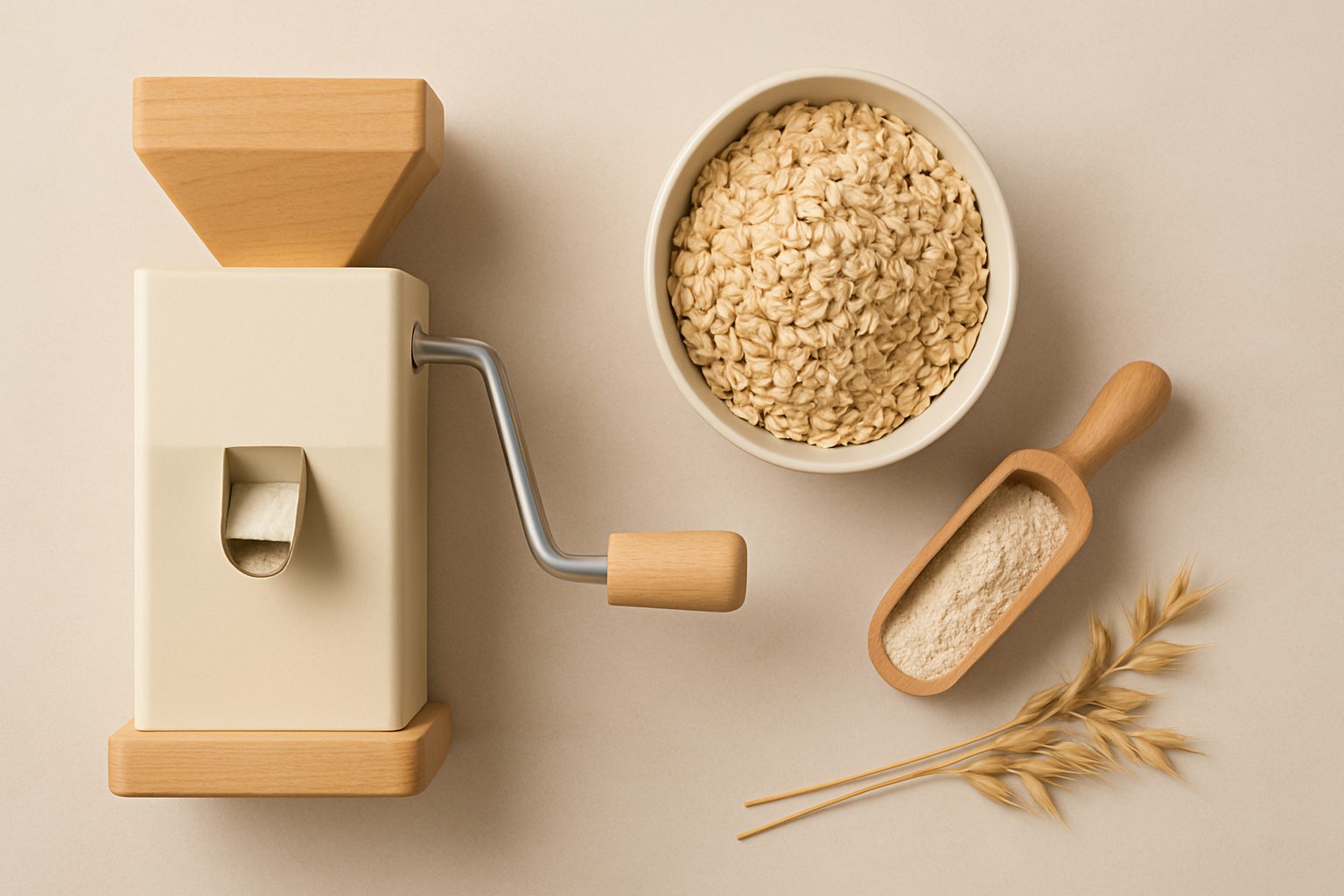
The no-frills option, and genuinely decent. A basic hand-crank roller with adjustable gap handles malts and grains reliably. Pros: durable, no power needed, dead quiet. Cons: your arm will tire quickly with large batches, and the feed rate is slow. Best for small-batch brewers or anyone grinding occasionally. You'll find solid examples from homebrew suppliers like Northern Brewer UK and Brew Partners UK; expect to spend £60–£80 for painted steel, slightly more for stainless.
Value score: 8/10 for occasional use; 5/10 for regular batching.
2. 110V motorised two-roller mills (£110–£150)
This is where budget meets practicality. Entry-level electric rollers from Chinese manufacturers dominate this space and have improved markedly over the past three years. They run on standard UK mains voltage, crush grain far faster than hand-crank (2–3 kg per minute), and come with adjustable rollers. Pros: speed, consistent gap control, decent hopper size. Cons: noisier than hand-crank, not as robust as premium brands, motors can struggle with very hard grains or extended runs. Best for regular brewers on a budget.
Look for models with ball-bearing support (not plain bushings), which last longer. Brands like GrainFather's entry-range model and generic homebrew mills from Amazon UK and eBay offer decent value here.
Value score: 8.5/10 for regular use; excellent bang-for-buck.
3. Dual-hopper hand-mill hybrids (£75–£130)
A few manufacturers offer hand-crank mills with two separate hoppers and adjustable gap, designed for switching between grains without cleaning the unit. These aren't common in the budget market but worth seeking out if you regularly brew with different grain types. Pros: flexibility, quieter than motors, no electricity needed. Cons: still hand-powered, and dual hoppers add complexity that sometimes isn't worth the hassle.
Value score: 6/10 unless you regularly switch grains.
4. Recycled/refurbished commercial rollers (£100–£145)
This is the wildcard. Occasional deals appear on eBay and Gumtree for old commercial coffee grinders or grain mills that have been repurposed for homebrew. Some are remarkable value—solid engineering, heavy construction—though they're hit-or-miss and you won't have warranty cover. Best if you're mechanically confident and can inspect before buying.
Value score: 7–9/10 depending on condition and luck.
Getting the most from a budget roller
Whichever type you choose, a few habits extend life and improve results. Dry your grain before rolling (damp malt clogs rollers and can encourage rust). Clean the hopper and rollers after every use—dried grain dust hardens and becomes difficult to remove. If you run an electric model, give it 10-second breaks every few minutes to avoid motor strain.
Gap adjustment makes a huge difference. Most grain requires a split around 1.5–2 mm; specialty grains and flaked malt prefer slightly wider gaps. Cheaper rollers often use friction-fit gap bolts that loosen over time, so check adjustment after a few batches.
Verdict
The best grain roller under £150 depends on your volume. If you brew once a month, a hand-crank model saves money and does the job fine. If you're grinding regularly—weekly brewing or feeding livestock—a motorised mill around the £130 mark is a genuine step up in quality of life. The gap between a £60 hand-crank and a £140 electric mill is massive in terms of effort, not so much in terms of final grain quality.
Budget doesn't mean bad here. You're not paying for premium build quality or brand prestige; you're getting functional kit that crushes grain. Test it before committing if possible (most homebrew shops have models on display), read recent buyer feedback on the specific model, and don't be seduced by the cheapest option if it has no adjustability.
The right roller is the one you'll actually use consistently. For most home brewers and smallholders, that means something motorised and dependable, sitting just under your £150 ceiling. Start there, and you'll have a tool that pays for itself in saved effort within your first season.
More options
- Electric Home Grain Flaker / Roller (Amazon UK)
- Manual Grain Roller for Home Use (Amazon UK)
- KitchenAid / Stand Mixer Grain Roller Attachment (Amazon UK)
- Eschenfelder Grain Flaker (Amazon UK)
- Whole Grain Oats & Wheat Berries (consumable upsell) (Amazon UK)